Encouraging Aging Adults to Adopt Exercise Through Holistic Workout Protocols
Wiki Article
Staying energetic is essential for adults of all ages, but it becomes especially vital as individuals mature. For elders, consistent movement supports maintaining self-reliance, enhances mobility, and boosts overall well-being. Well-rounded exercise guidelines offer aging individuals with organized strategies to physical health that address stability, flexibility, power, and endurance. By adhering to well-designed fitness programs, seniors can enhance their well-being while reducing the likelihood of falls, health conditions, and cognitive decline.
Physical fitness for seniors is not limited to intense routines or heavy fitness sessions. It centers instead on moderate, steady, and sustainable activity that suits individual capacities. Routines such as brisk walking, flexibility drills, gentle yoga, and strength conditioning assist retaining joint flexibility and firmness. Cardiovascular exercises like swimming or recumbent cycling improve circulation, which are vital for maintaining physical endurance and stamina. These types of exercise also enhance brain health, as studies have indicated that consistent activity can boost memory, emotional well-being, and cognitive function.
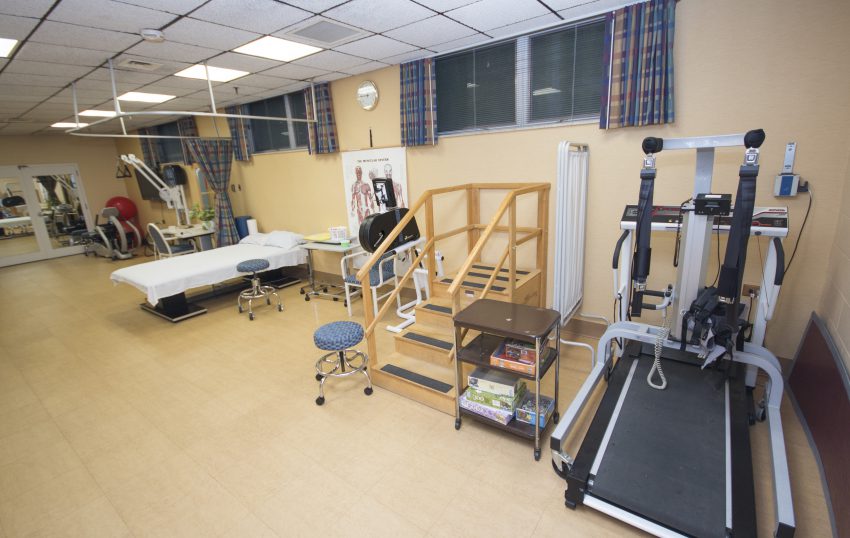
Thorough training plans highlight a integrated approach to health, integrating physical, mental, and community dimensions of well-being. Seniors are advised to ease in and advance at a steady rate, ensuring injury prevention blog while avoiding strain. Adding mobility sessions prevents strain, while adequate water consumption and nutrition complement exercise routines. Additionally, community-based programs—such as group fitness classes or organized group walks—offer avenues for companionship, motivation, and mental connection, which are equally important to overall health.
Expert assistance serves a important function in helping aging individuals design tailored training schedules. Working with healthcare providers, physical therapists, or qualified instructors browse around here guarantees that routines are aligned to specific health conditions, endurance, and goals. These experts can suggest safe training methods that account for elements such as mobility concerns, skeletal weakness, or aerobic restrictions. Through consistent evaluation and adjustment, exercise plans stay effective and motivating, promoting sustained adherence and achievement.
Overall, motivating elders to participate in exercise through structured fitness frameworks builds a community of lifelong movement. When participants are supplied with understanding, confidence, and organized systems, they build trust in their strength and experience greater freedom. Sustained fitness improves not only muscle capacity but also mental clarity and emotional resilience. By prioritizing inclusive, well-guided fitness programs, communities can enable that all participants has the means to enjoy a active, vibrant, and rewarding lifestyle.